
language

What are the注意事项 for properly using drip irrigation tape?
2020-01-10
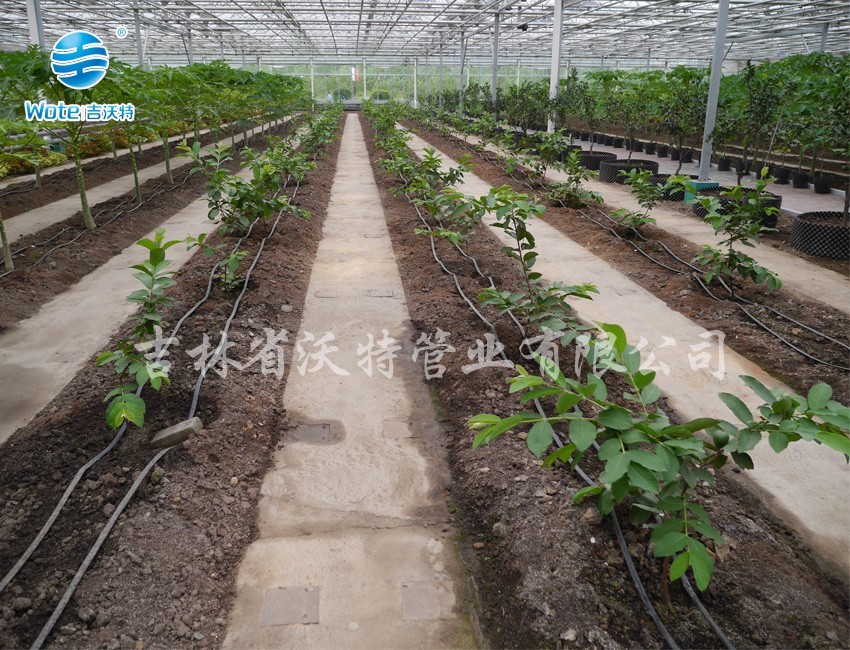
As the economy continues to grow, many friends are now using drip irrigation tapes when watering their crops, and the results they’ve achieved have been widely recognized. However, it’s crucial to follow the correct procedure during use to ensure the equipment performs optimally and delivers the desired outcomes.
Here are some important notes to keep in mind during use—friends, make sure you remember them!
1. Install the drip irrigation system, ensuring that the controlled area for each main pipe does not exceed approximately half an acre. Additionally, make sure the ground in contact with each hose is level to maintain smooth water flow.
2. When laying, ensure the labyrinth side faces upward (i.e., the embossed raised side is facing up), placing it smoothly beneath the membrane—do not install it upside down or twist it.
3. The holes in the drip irrigation tape are typically laid facing upward and used after covering with mulch film. If mulch film is not applied, the equipment’s openings can be oriented downward instead.
4. When laying out the equipment, if using mechanical methods, ensure that pulleys and rotating mechanisms are fitted with bearings to maintain smooth, flexible movement of the pulleys. Avoid pulling or stretching the equipment to prevent deformation of the labyrinth structure, which could otherwise affect the drip irrigation output.
5. Use clean water sources free of suspended particles larger than 0.8 mm; if such particles are present, install a mesh filter to purify the water. Filtering is typically not required when using tap water or well water.
6. After the system is installed, promptly start supplying water to the drip irrigation system to prevent sunlight and UV exposure from accelerating the aging of pipes and equipment.
7. When installing and operating in the field, take care to avoid scratching or puncturing the drip tape or main pipe.
8. To prevent sediment and other impurities from accumulating inside the drip tape and causing clogs, gradually open the ends of both the emitters and the main line to increase the flow rate for thorough flushing.
9. Irrigation should strictly follow the designated irrigation groups; otherwise, it may lead to uneven water distribution or inefficient pump operation, resulting in wasted energy and failing to achieve the intended goals of water, electricity, fertilizer, and labor savings.
10. When changing crops, carefully remove the equipment and store it in a cool, shaded area.
Related News
Contact us
Address:Wote Road, Helong Industrial Park, Changchun City, Jilin Province
Email:wotepipe@163.com
Website:www.jiwote.com

Scan the code to follow us