
language

Precautions for Applying Integrated Water and Fertilizer Technology in Greenhouse Vegetable Cultivation
2019-12-31
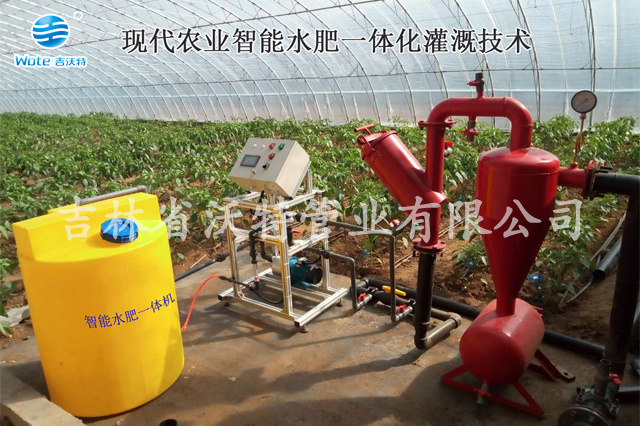
Water-fertilizer integration technology involves delivering fertilizer mixed with water directly to the soil around crop roots via a drip irrigation system, enabling root systems to absorb and utilize nutrients efficiently. This method allows for precise control over irrigation volume, fertilizer application rates, and timing of both watering and fertilization, significantly boosting the efficiency of water and nutrient use. The technology is highly versatile and suitable for both open-field farming and greenhouse cultivation—but there are a few key considerations to keep in mind during implementation.
1. The Selection of Fertilizers
Vegetable drip irrigation is often carried out simultaneously with fertilization, enabling integrated water-and-fertilizer management. This approach not only saves time and labor, conserves water and reduces fertilizer use, but also maximizes fertilizer efficiency, promoting healthy vegetable growth and ultimately boosting yields and incomes. When selecting fertilizers, it’s best to opt for those specifically designed for drip irrigation systems. For fertilizers that aren’t fully soluble, first filter out any undissolved particles (to prevent clogging the drip lines) before pouring the solution into the fertilizer tank.
2. Fertilization Precautions
When applying fertilizer, add it to the fertilizer tank only after the drip irrigation system has been running normally. This prevents uneven or insufficient fertilization caused by application rates that are too fast or too slow. After the drip system has been operating for a while, open the drain valve at the bottom of the filter to remove any accumulated sediment. Additionally, regularly clean out any residue remaining at the bottom of the fertilizer tank.
Each time the system is run, irrigation should be stopped only after fertilization is complete. You can determine whether fertilization is finished by observing the color change in the drip-specific fertilizer solution. If water supply is interrupted during the fertigation process, immediately close the valve on the fertilizer tank to prevent backflow of the nutrient solution. After fertilization, continue irrigating with plain water for a short period to avoid chemical buildup that could clog the emitters. At the end of each irrigation season, thoroughly flush the entire system and store it properly to maximize its lifespan.
Related News
Contact us
Address:Wote Road, Helong Industrial Park, Changchun City, Jilin Province
Email:wotepipe@163.com
Website:www.jiwote.com

Scan the code to follow us